Love Gardening? Make Seed Bombs
 When Garden Educator Bianca Pisano made seed bombs with four of her classes at Summerland Elementary School, she was surprised by how much the children loved the process. “It was one of the most popular lessons I’ve taught. The kids really liked the idea of creating little balls of life and bombing flowers into cities.”
Bianca, an educator with the Explore Ecology School Gardens Program, started the class by talking with the children about seeds and plant life cycles. “After the students had a deeper understanding of seeds we talked about why seeds bombs were created. I explained the history of seed bombs as a tool to be used in guerrilla gardening to green our cities. I had each of them act out how they were going to throw their seed bombs to get their bodies moving and ignite some more passion about the project.”
Bianca and her students made about 80 seed bombs out of organic compost, dry clay, California Native Wildflowers, and water. As part of the lesson, each child got a chance to practice their measuring and math skills to add the various components to a big bowl. Bianca explains, “After all the ingredients were in the bowl, the real fun began. We all took turns mixing the ingredients and squishing it around with our hands which let us get dirty and felt amazing between our fingers. When we had a seed bomb paste of sorts, I demonstrated how to create the seed bombs and how much of the mixture to use for each. After that the kids were on their own and loved squishing and rolling the mixture into little balls.”
If you want to make your own seeds bombs, here is Bianca’s Recipe.
Here’s what you need (Makes 8-10 balls):
- 1/2 oz native wildflower seeds.
- 3 1/2 oz dry, organic potting soil
- 1 1/2 oz dry clay (we suggest powdered red pottery clay)
- Water
- A mixing bowl
- A cookie sheet for drying the seed balls
- wax paper
Here’s what to do:
- Line cookie sheet with wax paper.
- Mix seeds and potting soil together.
- Add dry clay and mix again.
- Slowly add water while still mixing the seeds, potting soil, and water into a well-blended paste.
- When you are able to form a ball of the blended material without it falling apart, you are ready to stop mixing.
- Mold the mixture into small (~1 inch diameter) balls and place cookie sheet or tray with wax paper.
- Allow balls to dry in the sun for at least one day.
What to do with them?
- All you have to do is throw them at a patch of dirt and watch it explode! Once it rains (or you water them), they have everything they need to grow.
- They also make great gifts!


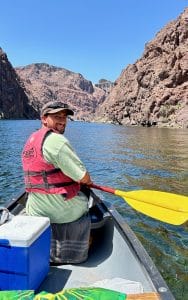 Josh was born and raised in Santa Barbara, where his passion and curiosity for the environment began and has continued to grow. During his undergraduate studies, Josh pursued this interest at the University of California at Santa Cruz, receiving a Bachelor’s Degree in Environmental Studies.
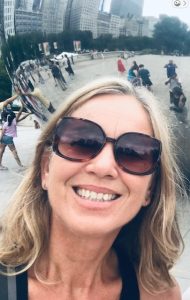 Melissa Dodos developed her passion for creative reuse as a mother of four and elementary educator over the past 25 years. She loves to inspire creativity by connecting people with resources and ideas.
 Veronica grew up in San Diego and spent four years in San Luis Obispo studying Animal Science at Cal Poly. As an undergrad she learned lots about livestock, agriculture, and wildlife.
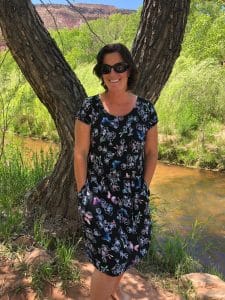 Stephanie began her journey as an educator over twenty years ago working as a preschool teacher in Washington state for a cooperative preschool program affiliated with Whatcom Community College. She loved observing the wonder and curiosity of the children and bringing them out into nature to explore the natural world. She continued her love for learning and got her teaching license and then her Montessori certification and worked as an elementary teacher in Tribal, Public, and Montessori schools. She collaborated to create a school garden and her students loved it so much that it became a special place where they could garden, read, explore, play, and it provided a safe sanctuary for students to calm down and reset when they were having difficult moments.


 Morgan’s mermaid soul is always seeking adventure—swimming a relay across the Santa Barbara Channel and taking the first photo of a newborn orca off Anacapa Island being standout experiences close to home.
 Lindsay Johnson